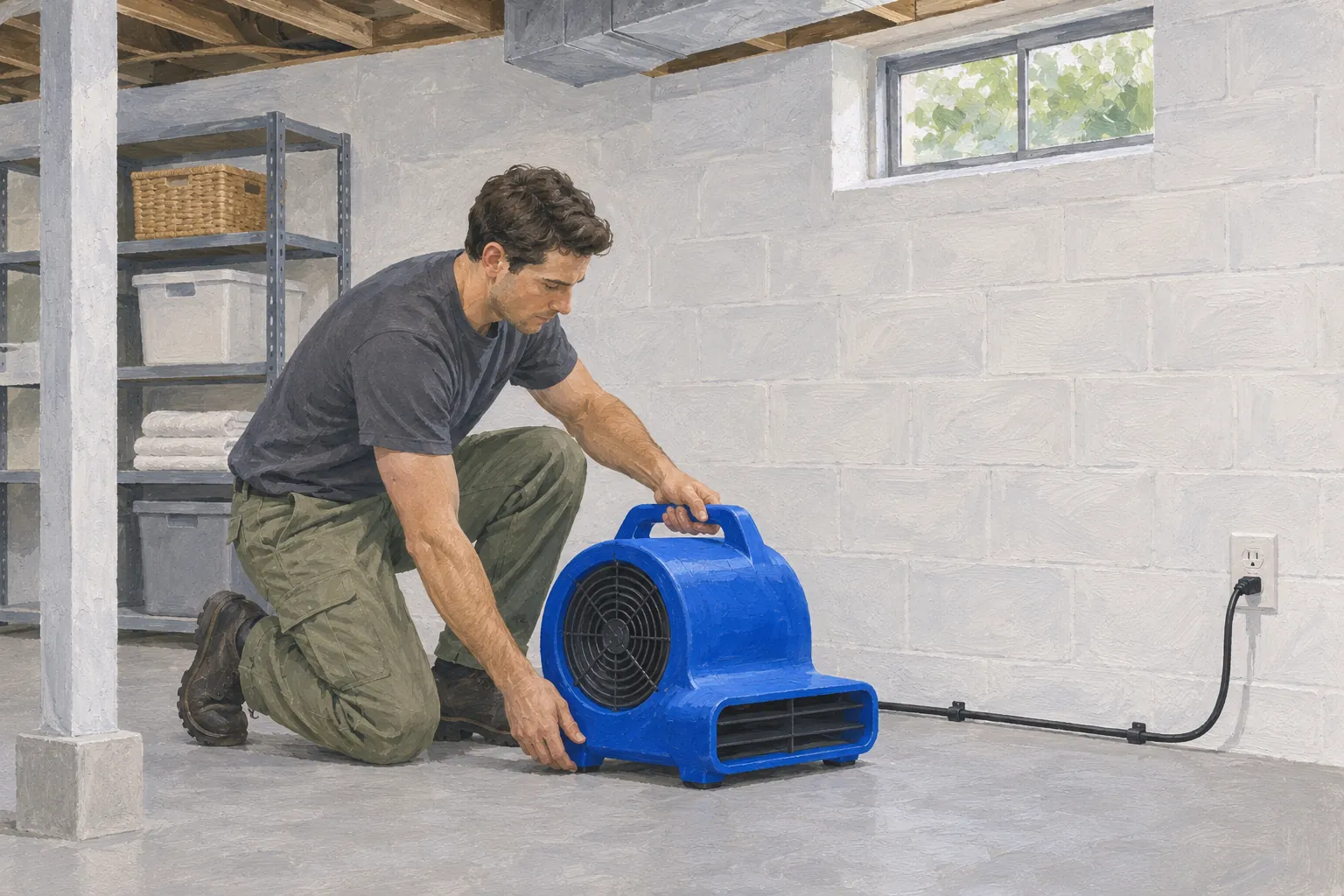
In restoration, the first company to call back often gets the job, so the intake call has to be quick and complete. Start with whether water is still coming in and whether anyone is at risk, then capture what your project manager needs to plan the visit. This checklist supports a water damage call answering workflow; it does not assess damage, quote work or advise on insurance coverage.
Use this checklist to test the workflows in our comparison of Wenly and Smith.ai, automated and staffed answering.
Safety comes before the details
Water near outlets, appliances or the electrical panel is dangerous. Tell the caller not to walk through standing water where power may be on and not to touch the panel if it is wet. If anyone is hurt, there is smoke or sparking, or a ceiling is sagging badly, they should leave the area and call 911. Suggest the main water shut-off only if they can reach it safely.
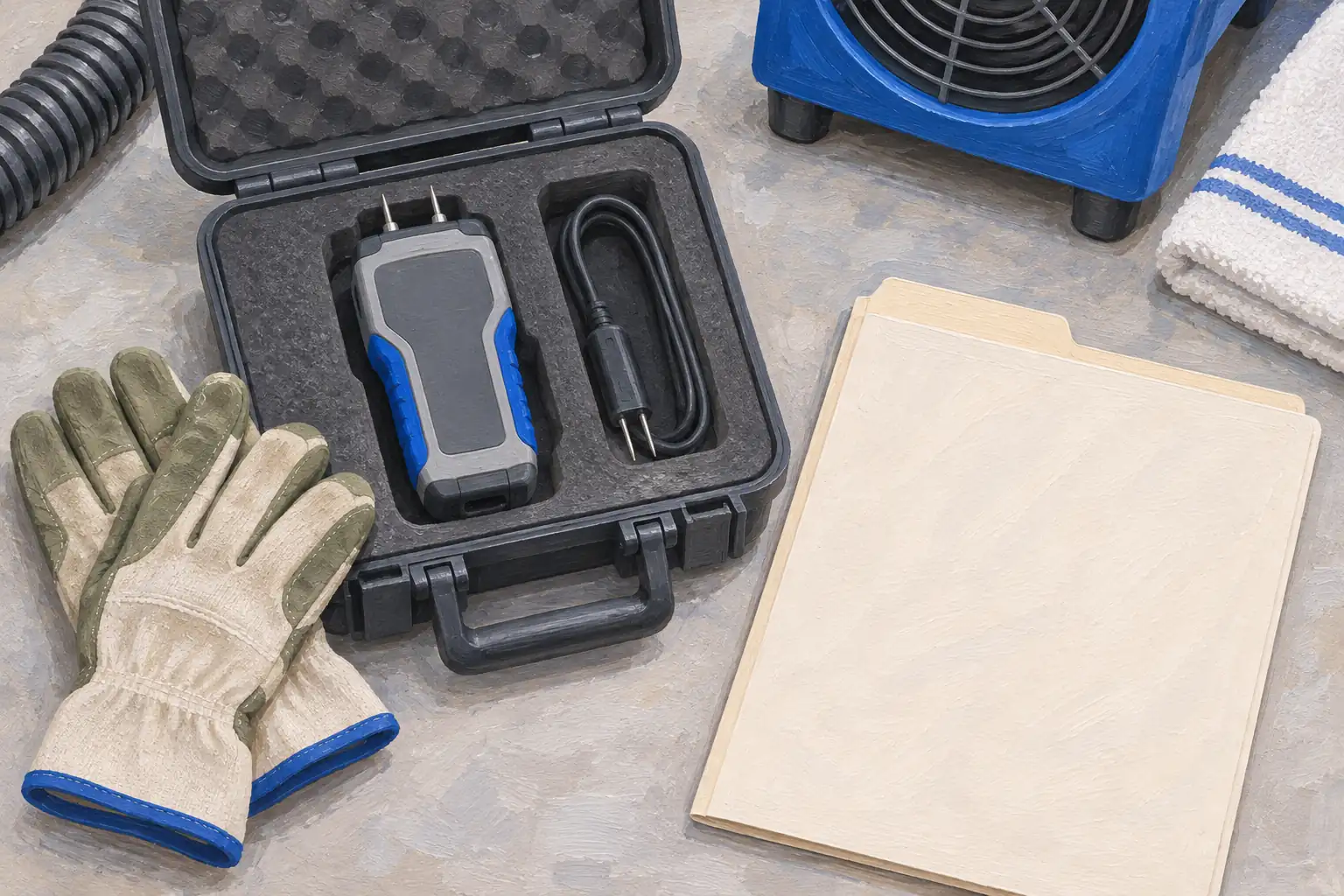
Printable water damage call intake checklist
Adapt this checklist to your operation. Leave unknown answers blank; your team confirms acceptance.
- Source: burst pipe, appliance, water heater, roof or storm, sewage backup, flood, or unknown. Record the caller's own words.
- Status: is water still coming in? Has the main shut-off been used? Record yes, no or unknown.
- Safety: standing water near power, sagging ceiling, smoke or sparking, or anyone hurt. Any of these means 911 first.
- Water type: clean supply water, or sewage and outside floodwater. Sewage changes who goes and what they wear.
- Extent: which rooms or floors, roughly how long ago it started, and whether carpet, walls or ceilings are wet.
- Location: full property address, unit and ZIP. Read it back.
- Property: home, rental or business; owner, tenant or property manager. Staff confirm who can authorize work.
- Insurance: insurer name and claim number if the caller already has one. Do not comment on coverage.
- Contact: caller name and best callback number. Read the number back.
- Handoff: emergency or routine, configured on-call transfer attempted or callback needed, and anything still unknown.
Recognize the request
Use the existing safety stop before continuing the checklist.
Record useful context
Record whether water is still entering and which spaces are affected.
Choose the approved route
Capture the caller, property manager and best callback if known.
Confirm the next step
Route the request to the project manager without promising an arrival.
| Request or option | Capture or test | Decision that stays with your team |
|---|---|---|
| Active water report | Observed water and affected areas | Crew assesses the site |
| Tenant enquiry | Caller and owner or manager contact if known | Staff confirms authority |
| Insurance question | Preserve the question accurately | Project manager and insurer address coverage |
Callers often do not know why water appeared. Record what they see, where and since when. Whether the water is clean or contains sewage matters more to your crew than a guess at the cause. Never tell the caller what is or is not covered; that conversation belongs to your project manager and their insurer.
Speed of the callback is the job
Water damage callers often ring several companies in a row. Read the callback number back, tell them who will call and that the call is coming. Do not promise an arrival time. The faster your team gets a complete record, the faster they can call back with a real plan. See speed to lead for why the first response matters.
Property managers and tenants
A tenant can report a leak but may not be able to approve mitigation work. Record the owner or manager's name if the caller knows it, and let your staff confirm authority. For multi-unit buildings, ask whether units below are affected, since that changes the size of the job.
Wenly answers forwarded calls automatically in your business name. Your team receives an email after the call, with configured urgent transfers available under your plan and schedule. Have your project manager review this checklist, add your own service area and escalation contacts, and test a night-time burst pipe and a sewage backup call before relying on it.
Continue with water damage restoration call answering workflow, after-hours answering and fallback setup, response speed and the limits of the research.