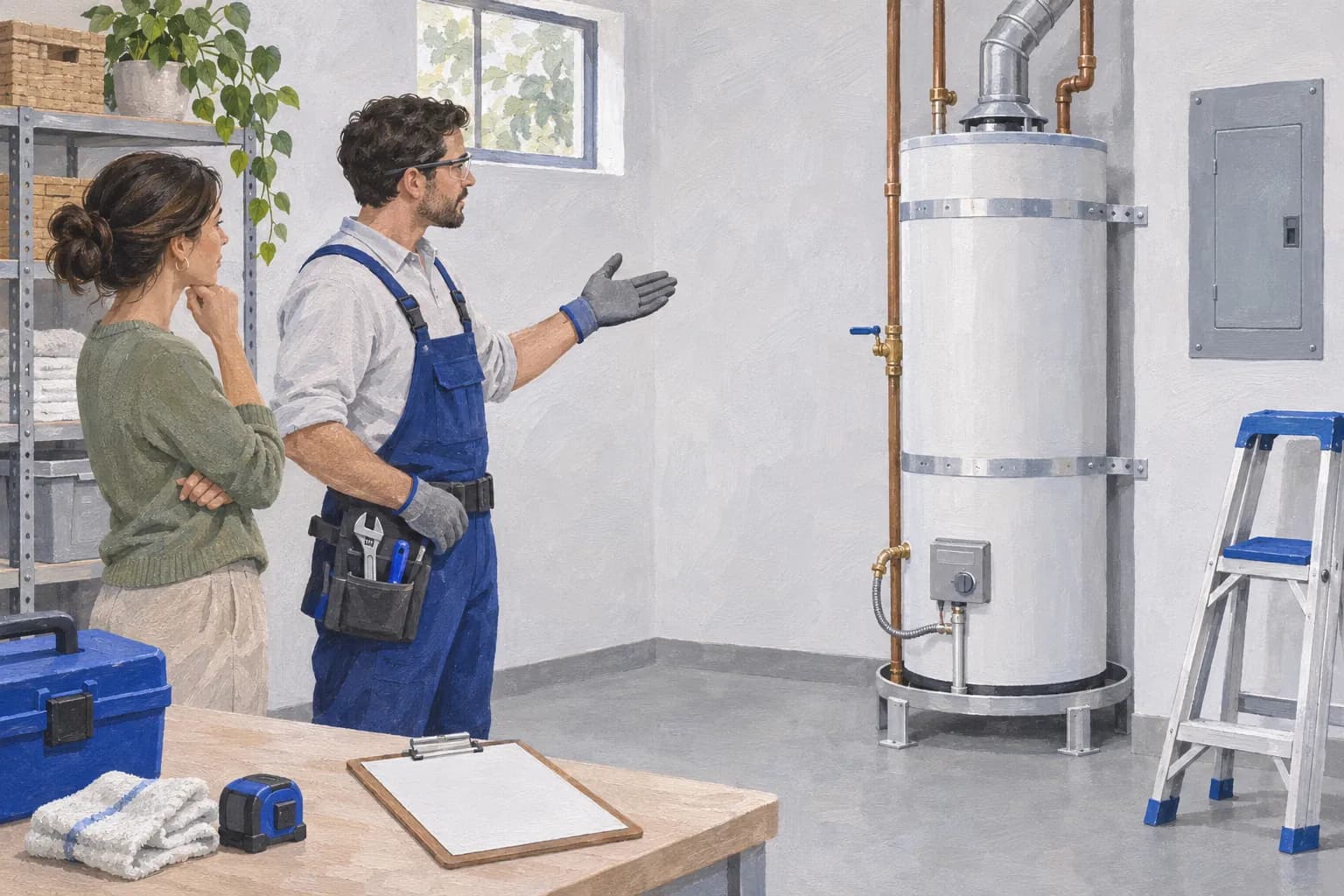
A useful plumbing call record separates what the caller sees from what a plumber must diagnose. Start with the problem and whether water is still running, then confirm the address and callback. This checklist supports the plumbing call answering workflow; it does not authorize work, quote a repair or promise a visit.
Keep urgent intake short
Ask one question at a time. If the caller reports a gas smell, tell them to leave the building and call 911 or the gas company from outside, then end politely. Do not continue equipment questions or offer troubleshooting. For an active leak, suggest the main shut-off only if the caller can reach and use it safely; never walk them through a repair.

Printable plumbing call intake checklist
Adapt this checklist to your operation. Leave unknown answers blank; your team confirms acceptance.
- Problem: burst or leaking pipe, no water, sewage or drain backup, water heater, fixture, install or remodel, or other. Record the caller’s own words.
- Water status: is water still running? Do they know where the main shut-off is? Record yes, no or unknown.
- Location: full service address, unit and ZIP. Read it back.
- Property: home, rental or business; owner, tenant or property manager; access or authorization that staff must confirm.
- Contact: caller name and best callback number. Read the number back.
- Urgency: active leak or flooding, sewage inside, no water, or no hot water with vulnerable people in winter. Follow your approved escalation rules.
- Timing: when can the team reach the caller, and what time do they request? A preference is not a confirmed booking.
- Handoff: configured on-call transfer attempted, or an urgent/routine callback request, plus anything still unknown.
Burst pipes and active leaks
Record whether the caller says the leak is ongoing and where they can see water. If they can safely use their main shut-off, suggest doing so. Mark the request urgent even if they report stopping the water. Never ask them to touch exposed wiring, dismantle a fixture or enter a flooded area to answer intake questions.
Sewer and drain backups
Distinguish a slow drain from reported sewage backing up inside. Record the affected area, ongoing status and address without diagnosing the cause. Keep children and pets away from contaminated water; cleanup and repair decisions belong with qualified help. Your team decides whether it can take the job.
From plumbing report to usable request
Recognize the request
Ask about immediate risk before property or equipment details.
Record useful context
Record what is affected, where and whether the water is still running.
Choose the approved route
Apply saved urgent-call rules and pass the callback to the right person.
Confirm the next step
Explain the callback or transfer; do not turn intake into a repair appointment.
| Request or option | Capture or test | Decision that stays with your team |
|---|---|---|
| Active leak | Where it is and whether water is still running | Plumber assesses cause and next action |
| Drain backup | Affected fixtures and caller-reported conditions | Team chooses equipment and scope |
| Heater enquiry | Observed issue and equipment details if known | Qualified staff decides repair or estimate |
Water-heater calls
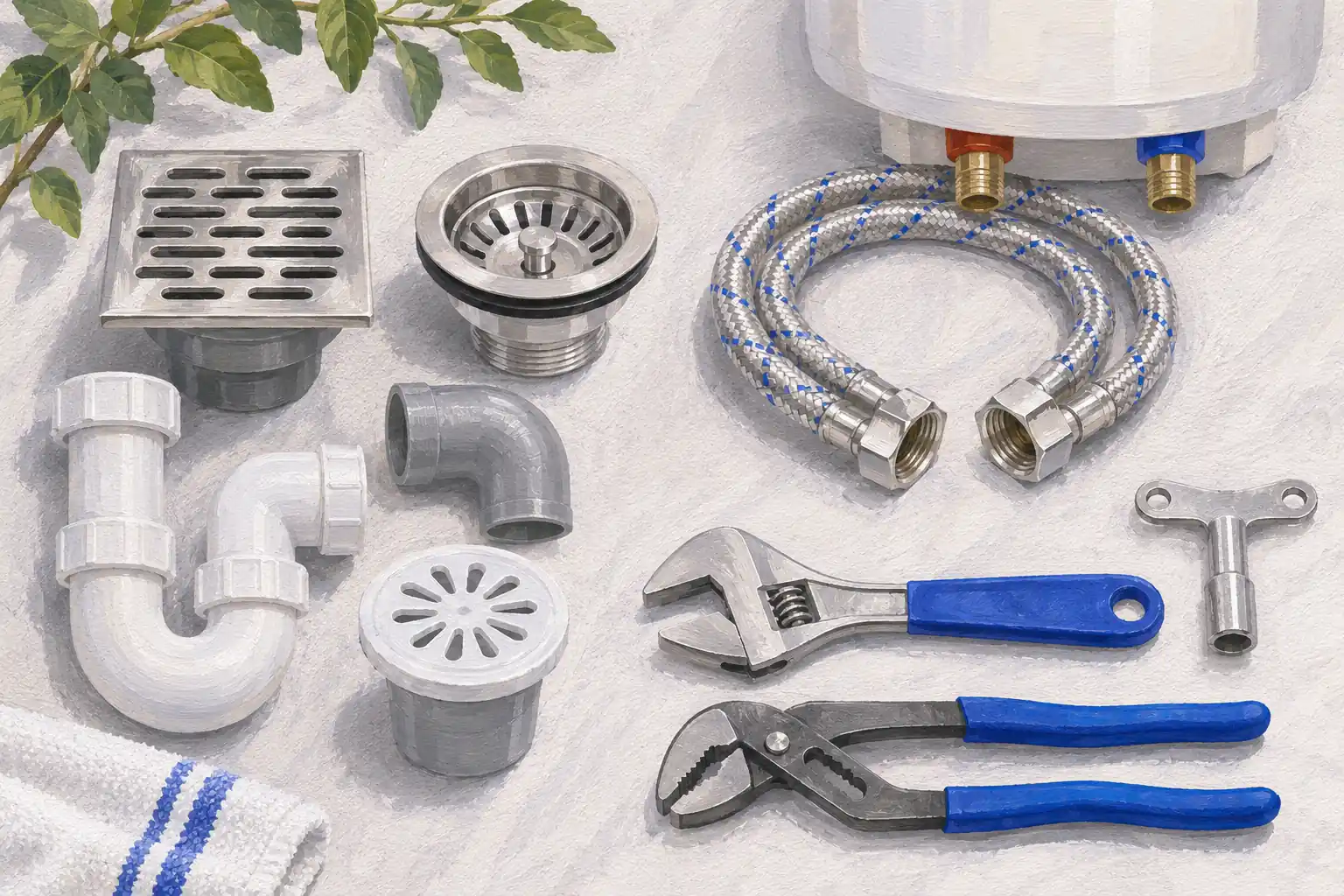
Ask whether the caller reports no hot water, a leak or another symptom. Record property details and any vulnerability relevant to your approved urgency rules. Avoid instructions involving gas or electrical components. Do not quote a replacement from a description or assume which equipment is required.
Confirm access and the callback
A tenant can report a problem without authorizing spending. Note who can provide access and which person your plumber should contact. Always confirm a callback instead of relying only on caller ID. Your team verifies the authority to proceed and any price before accepting work.
Use the record after the call
Review a routine enquiry and an urgent scenario with the person who returns calls. A complete record should let them decide the next step without treating a requested slot as booked. Wenly answers automatically; configured urgent transfers depend on plan, saved rules and schedule. See the after-hours plumbing plan and answering-service boundaries.
Link this checklist from your own operating notes and adapt the questions to your saved services and area. Review after-hours answering and use the plumbing cost calculator or missed plumbing call worksheet with your actual records.
Continue with plumbing call answering workflow, after-hours answering and fallback setup, plumbing answering responsibilities and limits.